
![]() |
|||||||||||||||||||||||||||
| _photography | |||||||||||||||||||||||||||
![]() |
|||||||||||||||||||||||||||
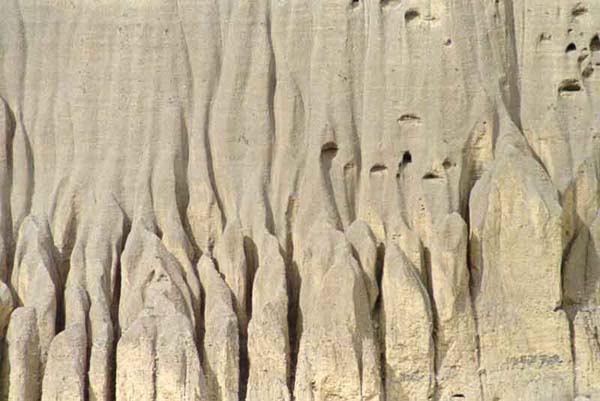
| Hillside Caves, Annapurna region, Nepal |
|||||||||||||||||||||||||||
| Selected Haiku | |||||||||||||||||||||||||||
| (by Basho) | |||||||||||||||||||||||||||
| Waterjar cracks: I lie awake This icy night. Spring rain- under trees a crystal stream. Summer grasses, all that remains of soldiers' dreams. Yellow rose petals, thunder- a waterfall. |
|||||||||||||||||||||||||||
| Lightning: Heron's cry Stabs the darkness Cormorant fishing: how stirring, how saddening First winter rain, I plod on, Traveller, my name |
|||||||||||||||||||||||||||
| Matsuo Basho, 1644 - 1694 | |||||||||||||||||||||||||||
| Matsuo Basho is a Japanese poet reknowned for his part in developing Haiku. Short pure poetry written within simple rules, it is said that true Haiku arises from a moment of enlightenment. Basho was a traveller. He considered the cities a corrupting influence and looked towards nature for his inspiration. His poems relate to me moments of reflection and stillness. I can feel the cold on my face, smell the dew in trees and in the case of the water jar, sense the echoing quiet of the broken night. |
|||||||||||||||||||||||||||
| Images Copyright 2000 Sunda | |||||||||||||||||||||||||||